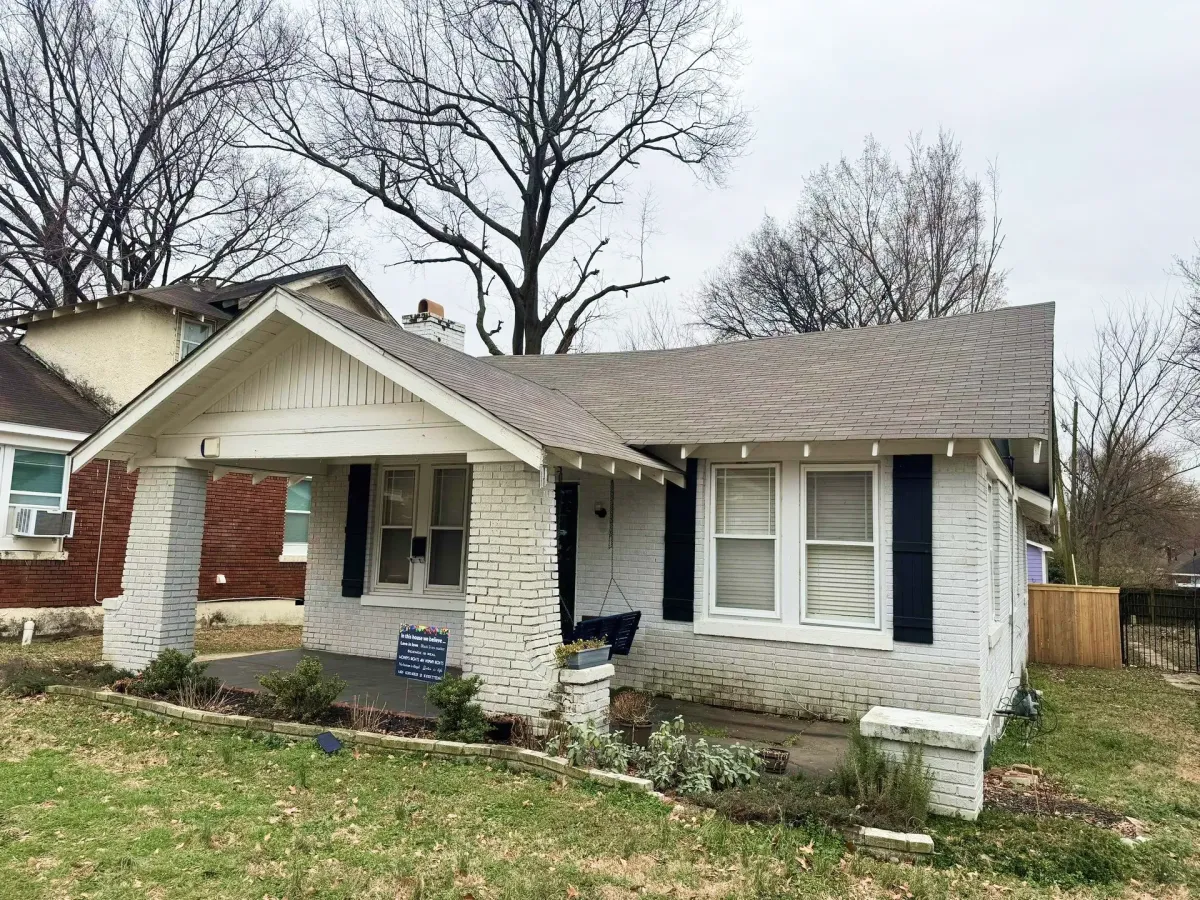
A severe storm rolls through your neighborhood. The next morning, you walk outside and notice something isn’t quite right — a few shingles in the yard, a dent on your gutters, or a sagging section of fascia. Your first instinct might be to ignore it, assume it’s minor, or wait to see if it gets worse. That instinct, as understandable as it is, can cost you thousands of dollars.
Understanding how storm damage works — and how to navigate the insurance claims process — is one of the most valuable things a homeowner can learn. Here’s what you need to know.
The Types of Storm Damage That Affect Your Roof
Not all storms are created equal, and neither is the damage they leave behind. Roofing professionals routinely assess and repair damage caused by a wide range of severe weather events:
Hail is one of the most deceptive culprits. Even golf ball-sized hail that seems to bounce harmlessly off your roof can knock the protective granules off asphalt shingles, leaving the underlying material exposed to UV rays and moisture. This damage is often invisible from the ground but becomes a serious problem within months.
Wind — especially gusts that accompany thunderstorms or straight-line storms — can lift and curl shingles, break seals, and create openings where water can enter. A roofline that looks intact from the street may have significant vulnerabilities that only a trained eye can detect.
Heavy rain on its own rarely damages a healthy roof, but it’s a ruthless prosecutor of existing weaknesses. Clogged gutters, cracked flashing, and compromised shingles that might have held up for another season can fail spectacularly under sustained rainfall.
Fallen tree limbs cause some of the most visually obvious damage — but also some of the most structurally complex. A branch that punches through decking doesn’t just create a hole; it can shift the underlying structure and compromise adjacent sections of the roof.
Tornado-related storms bring all of the above in concentrated, unpredictable bursts. Even homes on the periphery of a tornado’s path can experience significant damage from rotating wind patterns that attack a roof from multiple directions simultaneously.
Why Prompt Inspection Matters
One of the biggest mistakes homeowners make after a storm is waiting. It’s easy to assume that if the ceiling isn’t leaking, everything is fine. But roof damage is rarely that obvious — at least not immediately.
Water intrusion is sneaky. It can travel along rafters, pool in insulation, and quietly foster mold growth for weeks before you see a single stain on your drywall. What starts as a $1,500 shingle repair can become a $10,000 remediation project if left unaddressed.
Scheduling a professional inspection immediately after a significant storm protects both your home and your insurance claim. Insurers look at the timeline of events. Documented damage reported promptly is far easier to claim than damage discovered months later that an adjuster may attribute to neglect.
Navigating the Insurance Claims Process
For most homeowners, the insurance claims process feels like foreign territory. Adjusters speak in industry language, policies are full of exclusions, and it’s easy to feel like you’re at a disadvantage. That’s where working with an experienced roofing contractor makes a real difference.
A knowledgeable contractor can assist with every phase of the claims process:
Damage documentation is the foundation of any successful claim. This means detailed photos, written assessments, and itemized reports that clearly connect the damage to the storm event — not pre-existing wear.
Insurance adjuster meetings benefit greatly from having your contractor present. Adjusters work for the insurance company; your contractor works for you. Having someone on-site who can point out damage that’s easy to overlook — and who speaks the adjuster’s technical language — levels the playing field considerably.
Estimate reviews ensure you’re not settling for a scope of work that cuts corners. Some insurance estimates are written conservatively. An experienced contractor can identify gaps and advocate for a repair plan that actually restores your roof to its pre-storm condition.
Repair and replacement coordination handled under one roof (so to speak) reduces the friction of the entire process. You shouldn’t have to manage multiple vendors or chase down scheduling — that’s the contractor’s job.
Will Insurance Cover Your Roof Replacement?
The short answer: it depends on your policy and the cause of damage. Storm-related damage — hail, wind, fallen debris — is typically covered under standard homeowners’ policies. Normal wear and tear, age-related deterioration, or damage resulting from deferred maintenance generally is not.
This distinction matters, and it’s why detailed inspection reports are so important. A vague assessment that doesn’t clearly establish storm causation gives an adjuster room to deny or reduce your claim. A thorough, well-documented report from a professional removes that ambiguity.
If you’ve experienced a recent storm, don’t wait and wonder. Schedule an inspection, understand your coverage, and let someone experienced guide you through the process. Your roof — and your wallet — will thank you.